- Home
- Channels
- Channel tags
- Audio only
Audio only ASMR channels
Audio-only channels skip the visuals entirely, usually showing a still image or a black screen. They suit listening with your eyes closed or with the screen off.
- 22 channels
- Updated
-
 3D binaural sound of Shoe shining
01:03:24
-
 Deep Blue Thunder | Brown Noise & Rain Sounds for Sleep (No Talking) 8 Hours
08:00:00
EmilyCTaylor ASMR
 74K subscribers · 123 videos
-
 🏴☠️ Orc Chieftess Captures You | F4M Audio Roleplay
12:11
Scarlet's ASMR
19K subscribers · 96 videos
-
 🌧️ LIVE Deep Sleep 🌙 | Real Rain Sounds in the Forest | Relax, Sleep & Stress Relief
11:54:56
Zen Nature ASMR
 17K subscribers · 222 videos
-
 8 Hours of Relaxing 🌙 Deep Sleep, Stress Relief & Relaxation
08:04:37
NightlyHaven
11K subscribers · 13 videos
-
 asmr at the container store
19:47
mina makes noise
10K subscribers · 149 videos
-
 ASMR reading you a book in French ( asmr Français)
18:18
-
 АСМР 🤍 отвечаю на вопросы чата GPT часть 2 🫡
30:20
-
 ASMR | Walking in Different High Heels (No Talking) 4K
13:58
kissASMR
 4K subscribers · 110 videos
-
 ASMR // Delay vs Eco ⚡️🌸 Cual preferis? #asmr #delay
01:01
-
 ASMR/Bath & Body Works Haul
19:04
-
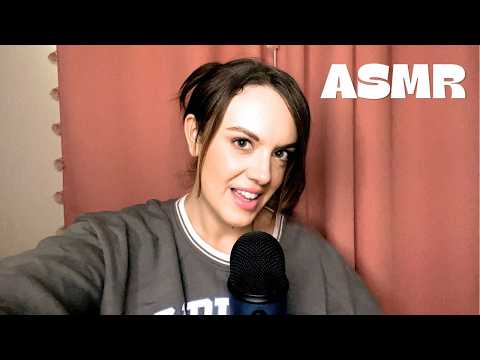
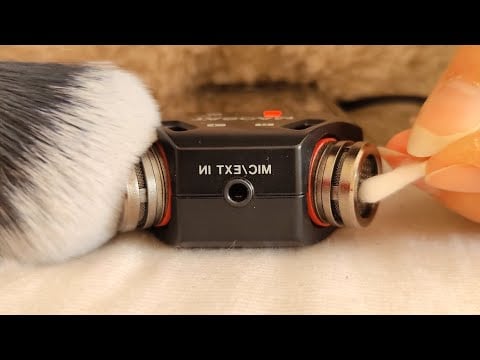
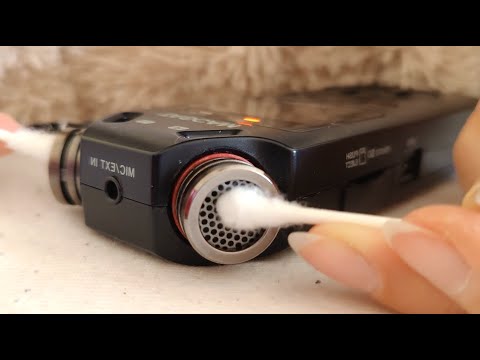
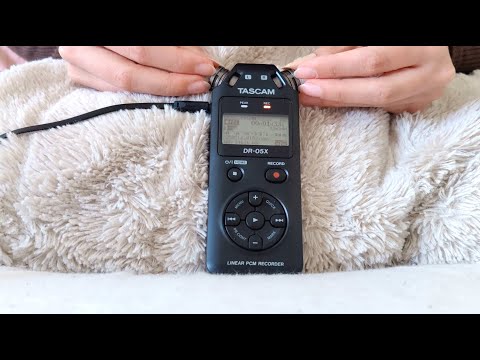
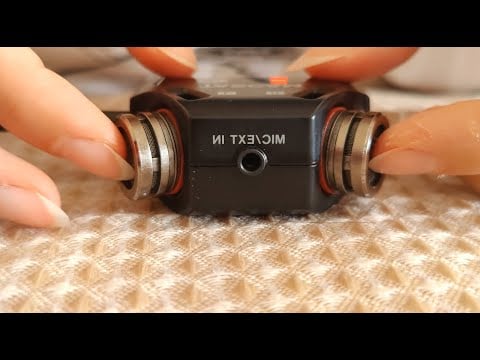 ASMR Ear cleaning with fingers and q-tips (Tascam triggers for sleep)
15:17
Pillar ASMR
 2K subscribers · 65 videos





















What are channel tags?
Channel tags describe what a creator regularly makes: their voice, video formats, favourite triggers and language. Most channels carry several, so you can combine tags to find creators that suit you.
Spotted a channel that does not belong here? Let us know.
Watch videos
About audio only ASMR channels
Audio-only ASMR drops the picture and keeps the sound, usually with a still image, a plain colour or a black screen. Without visuals, the creator's attention goes into the recording itself: how triggers are layered, how far the mic sits from the sound source, and how speech and texture are balanced. Many listeners use these for sleep, for study, or for sessions where a screen would be a distraction. The format suits triggers that work well alone, such as tapping, scratching or mouth sounds.
Audio-only is a presentation choice, so it can carry almost any style. It pairs well with whispering and soft-spoken videos, where the voice is the main draw, and with no-talking videos, where texture carries the session. Sleep and unintentional content also suit the format, because the footage in those videos rarely needs to be watched.
Without a picture, titles and descriptions carry more weight, since they are the only preview of what a recording contains. Many audio-only creators use a binaural or stereo mic and move sounds between the ears to make up for the missing visuals. Room noise and clothing rustle also stand out more when there is nothing to watch.